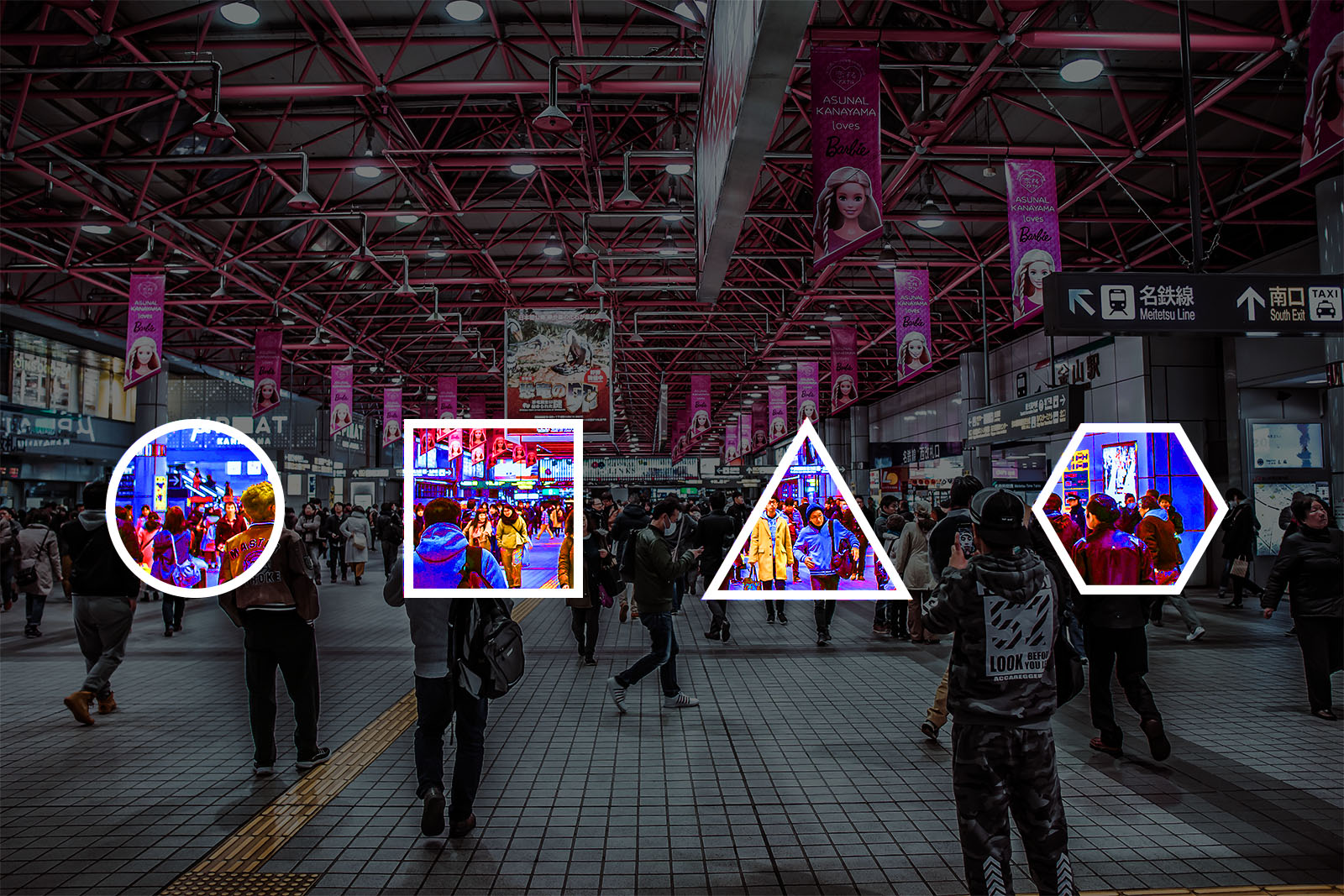
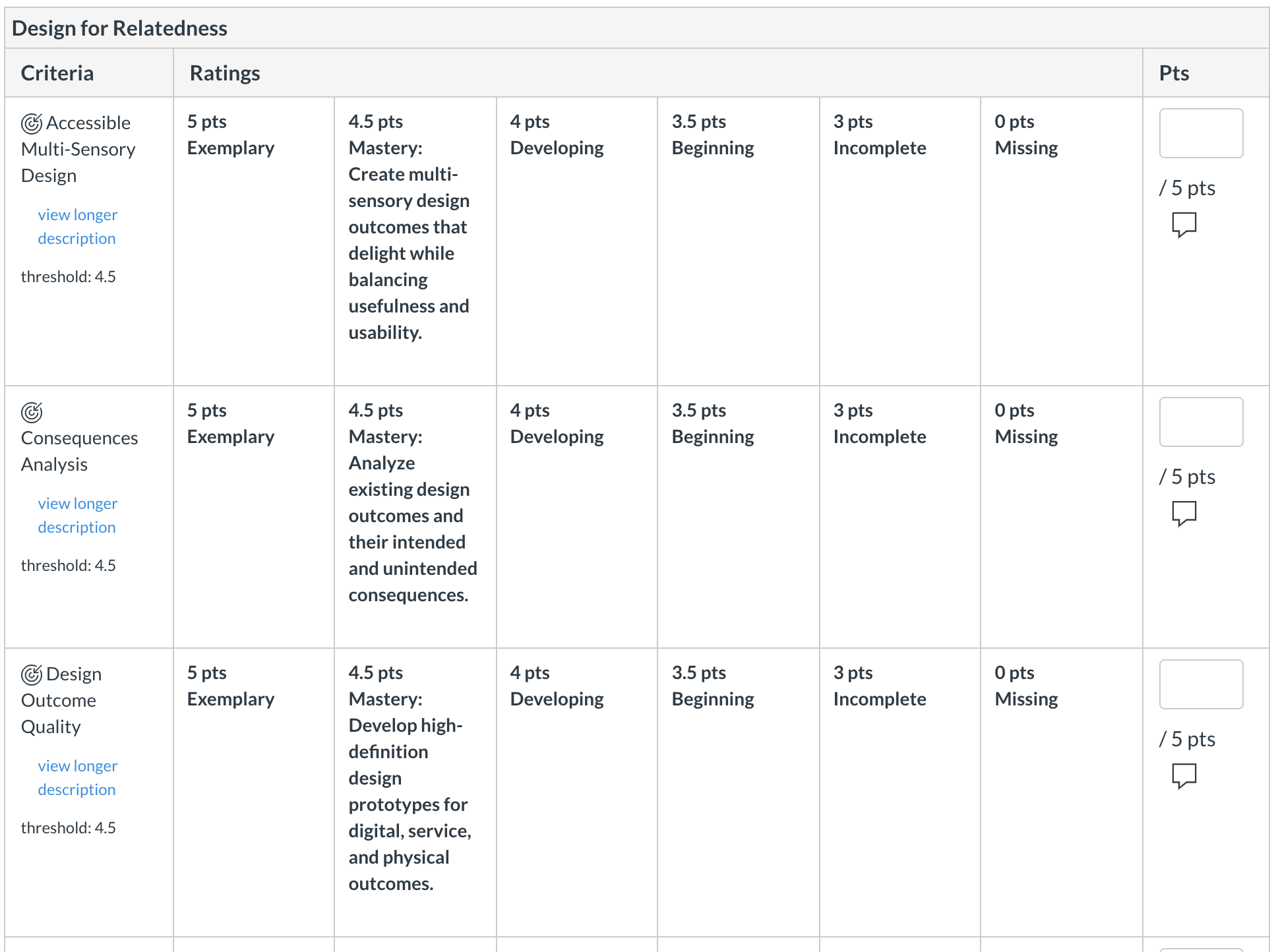
Experience-centered design education extends beyond creating visually appealing designs. It involves developing the whole person—a designer who speaks the language of holistic experiences and has the foresight to anticipate how their decisions will impact people who use their designs. These designers can research and ask important questions like:
- What’s really going on here?
- What is the root cause of the problem?
- How can my design best match people’s needs and preferences?
- If we implement this design, how will it help or harm people who use it?
As a design educator, I develop learning experiences that foster the knowledge, thinking, and skills necessary to create outcomes that consider the whole person—especially as AI technologies shape how people interact with design and refactor teaching and learning.