I tend to reexamine my workflow during the holidays. It’s the perfect time to reflect on work because (ideally) I am not working. So, it’s Thanksgiving break, and I am up early thinking through how I work. Today, I am creating an AI agent to support my workflow so I can have more time for disc golf, puzzles, hugs, and personal time—while still supporting folks with my work. Here’s how I work (on Friday, November 27, 2026).
- Intake (content and task discovery): email (Spark), Slack, in-person, audiobooks, podcasts, films and TV, books (Kindle and physical), Apple News (many sources), LinkedIn, Instagram, Apple Music, Claude
- Saves and sorts: My physical notebook, Things (to-do app), Apple Notes, I am debuting the Cheatsheet App for quick saves, Google Apps (sheets, docs) for longer saves and reference or work, Calendar (Note: I mostly use desktop apps, sometimes use browser-based for compatibility), Readwise (saving news stories and reading RSS feeds, etc.), and Paperpile (saving sources)
- Archive and deep reference: Craft app
- Development and process: Google Apps, VS Code (coding)
- Production/Final: Adobe Creative Suite, my WordPress-based websites and work websites, LinkedIn, Instagram (Facebook connected), email, Google Docs (papers), Canvas LMS
That’s the workflow. I discover stuff, funnel it into actionable tasks, refine the work and collaborate, then complete polished work that’s released to the world. One big thing is missing: delegation. I have not built that in at all.
The Agentic AI Step
I shared that content in Claude to start building an agent, followed by this ask and a snippet of the result.
Me
First, what gaps, blockers, or duplications are there? Where are errors most likely to arise? Then, we can draft an agent that aligns with this revised workflow.
Claude
Your system is strong at both ends: you take in a lot, and you publish polished work. The weak spot is the middle. Too many tools hold saved material, tasks and deadlines live in several places, and nothing regularly turns saves into decisions or hands work off. Delegation is the biggest missing piece, and a regular review step is missing alongside it.
I won’t share the full exchange here, but the results gave me a lot to consider, and I’m revising some of my workflow now.
Notable Next Steps
I’m taking these steps.
- Intentionally process and plan: Claude noted that I did not mention when I process content and tasks or plan implementation. Huge miss! I now process these as a background step, unless I slow down or set aside time. So, it’s haphazard right now and, as a result, feels like processing and planning get in the way of the work. I will set aside time for deeper thinking, consideration, and evaluation, instead of variable effort on each item when it arrives (this will be huge for my research).
- Selecting the right ONE tool for each job: I use duplicate tools for the same thing—that adds drag to my decision-making process and makes it harder to find stuff.
- Delegation: Defining when and how delegation happens. I have always stunk at this.
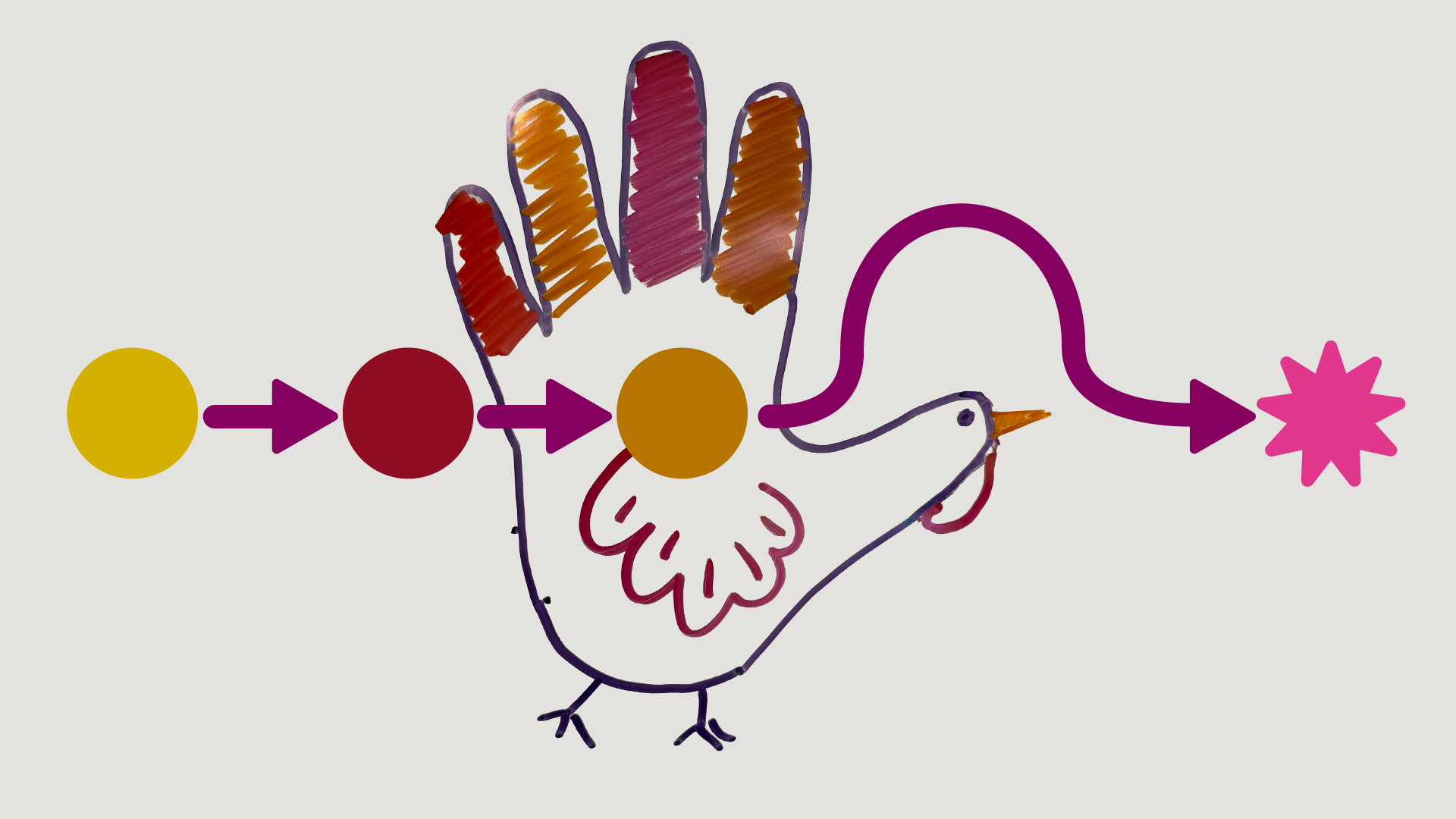
- Stick to the flow: I will work on developing a new workflow habit: Discover → Capture → Process (new) → Plan (new) → Delegate (new) → Do → Release
The Takeaway
All of this process review is so I can have more time for the experiences that matter most and the people I have them with—not so I can work more. Experiences happen only once. Ever. Intentional working contextualizes it so work supports what matters, not replacing it.
Okay, time for another coffee, a muffin, and a puzzle on my dining table.